Why Do I Wake Up Groggy Even After 8 Hours of Sleep?

If you constantly ask yourself “why do I wake up groggy even after 8 hours of sleep?” — you are not alone. Millions of people sleep a full night and still feel exhausted, foggy, and completely unable to function in the morning. The good news is this has a clear scientific explanation. The reason you wake up groggy has almost nothing to do with how long you slept — and everything to do with when your alarm goes off during your sleep cycle.
⚡ Fix it tonight: Use the WakeCalc Sleep Cycle Calculator to find your perfect bedtime and stop waking up groggy for good — free and instant.
Why Do I Wake Up Groggy? The Science of Sleep Inertia
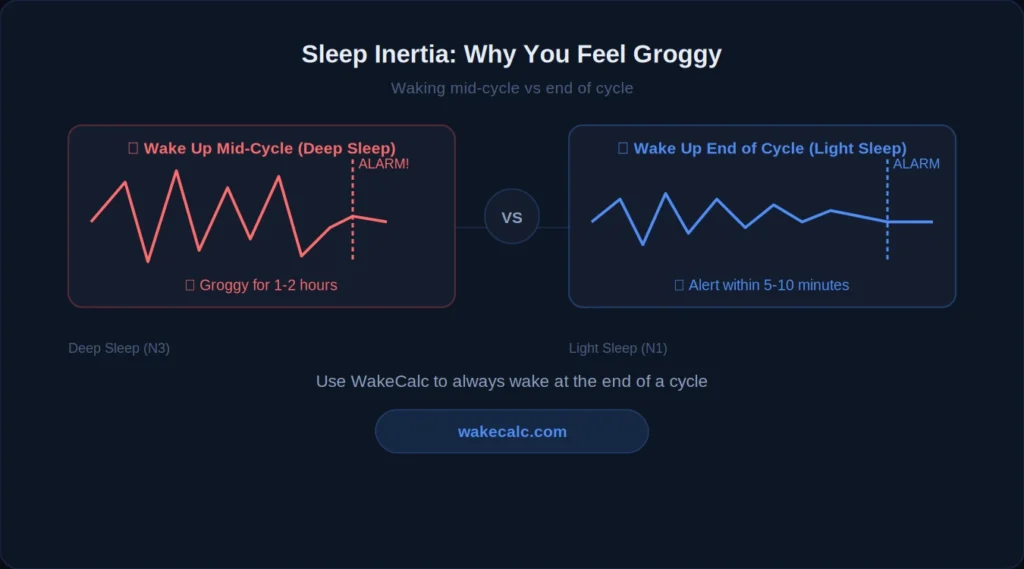
The groggy, heavy, “I cannot open my eyes” feeling you experience right after waking is called sleep inertia. It is a physiological state of impaired cognitive and sensory-motor performance that occurs immediately after waking. According to the Sleep Foundation, sleep inertia peaks in the first 15–30 minutes after waking and typically fades within an hour — but can last up to two hours if you wake from deep sleep.
The key fact most people miss: sleep inertia is dramatically worse when you wake up in the middle of deep sleep, regardless of total hours slept. This is the main reason why do you wake up groggy even on 8 or 9 hours — your alarm interrupted the deepest, hardest-to-recover-from stage of your sleep cycle.
The 4 Sleep Stages — Why Timing Matters More Than Duration
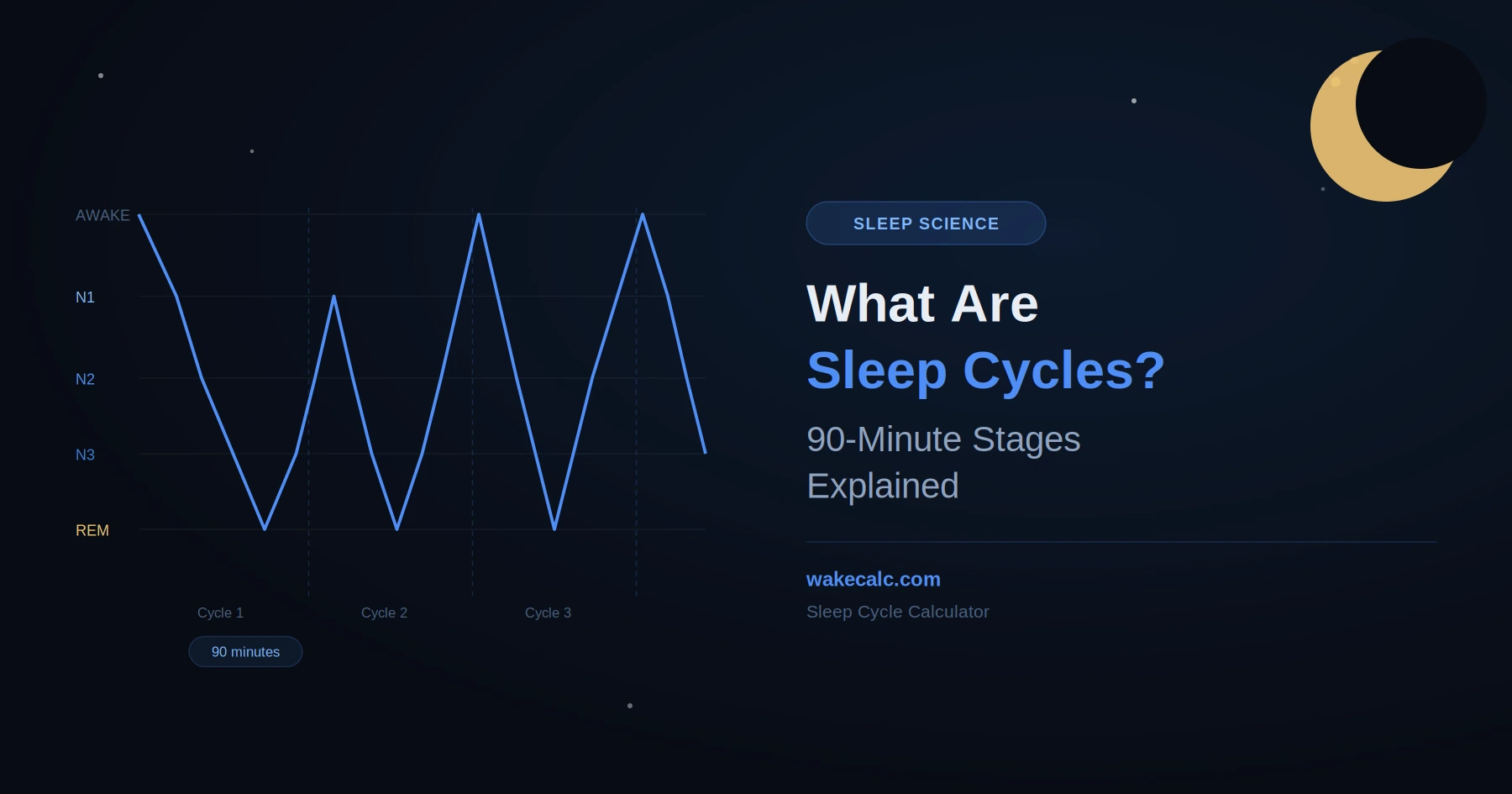
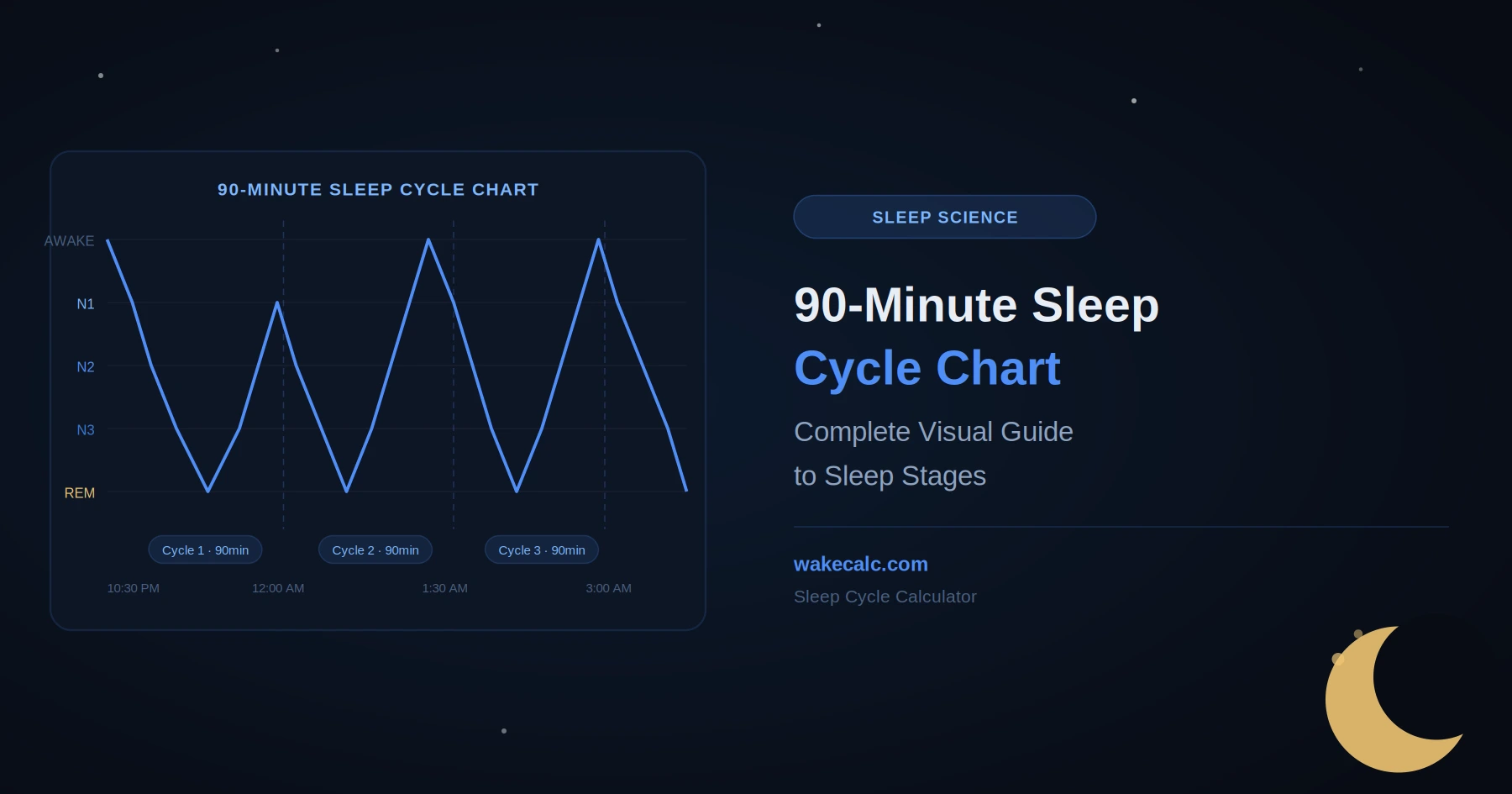
Your brain cycles through 4 distinct stages every 90 minutes throughout the night. Understanding these stages is the key to answering why do I wake up groggy every single morning:
REM Sleep — Dreaming: Brain is highly active. Emotional processing and memory consolidation happen here. Easier to wake from than deep sleep.
Stage 1 (N1) — Light Sleep: The transition between wakefulness and sleep. Easy to wake from — you will feel alert immediately. This is the ideal wake-up stage.
Stage 2 (N2) — True Sleep: Heart rate slows, body temperature drops. You spend about 50% of total sleep here. Moderately easy to wake from.
Stage 3 (N3) — Deep Sleep: The hardest stage to wake from. Your body repairs muscles and tissues. Waking here causes the worst grogginess — severe sleep inertia that can last hours.
Why 8 Hours Can Feel Worse Than 7.5 Hours
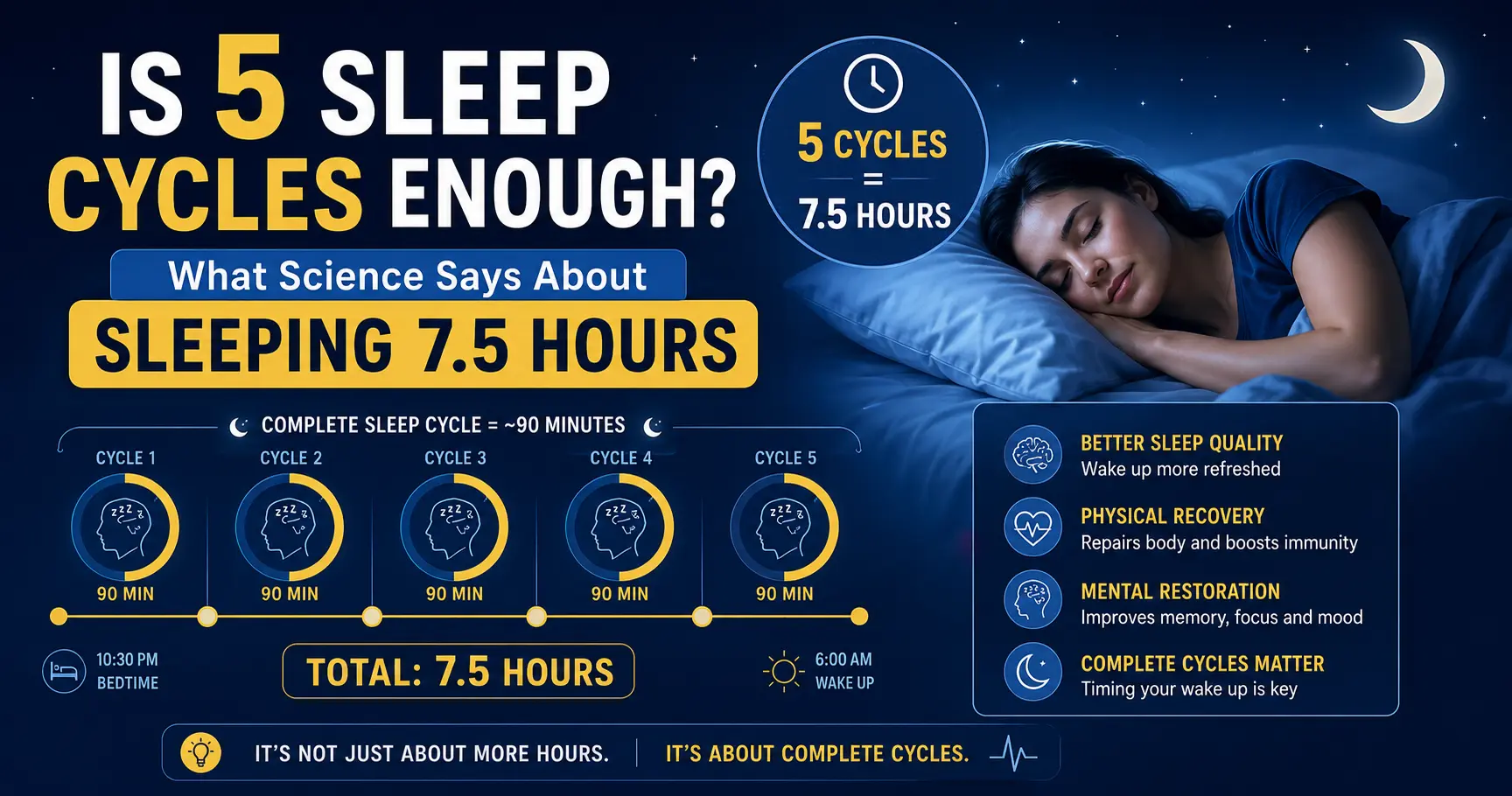
Here is the math that explains why do you wake up groggy after what seemed like a perfect night of sleep. A complete sleep cycle takes 90 minutes. If you sleep for 7.5 hours — that is exactly 5 complete cycles. Your alarm wakes you at the end of a cycle in light sleep — you feel refreshed immediately.
But if you sleep for 8 hours — that is 5 complete cycles plus an extra 30 minutes, which puts you right in the middle of your 6th cycle during deep N3 sleep. Your alarm rips you out of the deepest stage possible. The result? Severe sleep inertia and a groggy, painful morning — even though you technically slept more.
Research published on PubMed confirms that waking during slow-wave deep sleep significantly impairs cognitive performance for up to 30 minutes — explaining exactly why do I wake up groggy despite adequate sleep duration.
5 Reasons You Wake Up Groggy Every Morning
1. Your Alarm Fired Mid-Cycle
The most common reason people wonder why do I wake up groggy. Your alarm interrupted deep sleep instead of landing naturally at the end of a 90-minute cycle. Using a sleep cycle calculator solves this completely.
2. Accumulated Sleep Debt
Chronic sleep deprivation makes sleep inertia significantly worse and longer-lasting. One good night does not cancel weeks of poor sleep — recovery takes consistent effort over time.
3. Room Temperature Too Warm
The ideal sleep temperature is 65–68°F (18–20°C). A warm room prevents proper deep sleep, reducing overall sleep quality regardless of duration.
4. Alcohol Before Bed
Alcohol suppresses REM sleep in the first half of the night, causing a rebound effect that fragments sleep cycles and dramatically worsens morning grogginess — even if you slept 8+ hours.
5. Hitting Snooze
Snoozing starts a new incomplete sleep cycle. When the second alarm fires 9 minutes later, you have entered deeper sleep again — making the question of why do I wake up groggy even harder to answer because you have made it worse yourself.
How to Stop Waking Up Groggy — Starting Tonight
The single most effective fix is timing your wake-up to the natural end of a sleep cycle. Here is the exact method:
- Decide your required wake-up time (e.g., 7:00 AM)
- Add 15 minutes for falling asleep → effective start: 7:15 AM
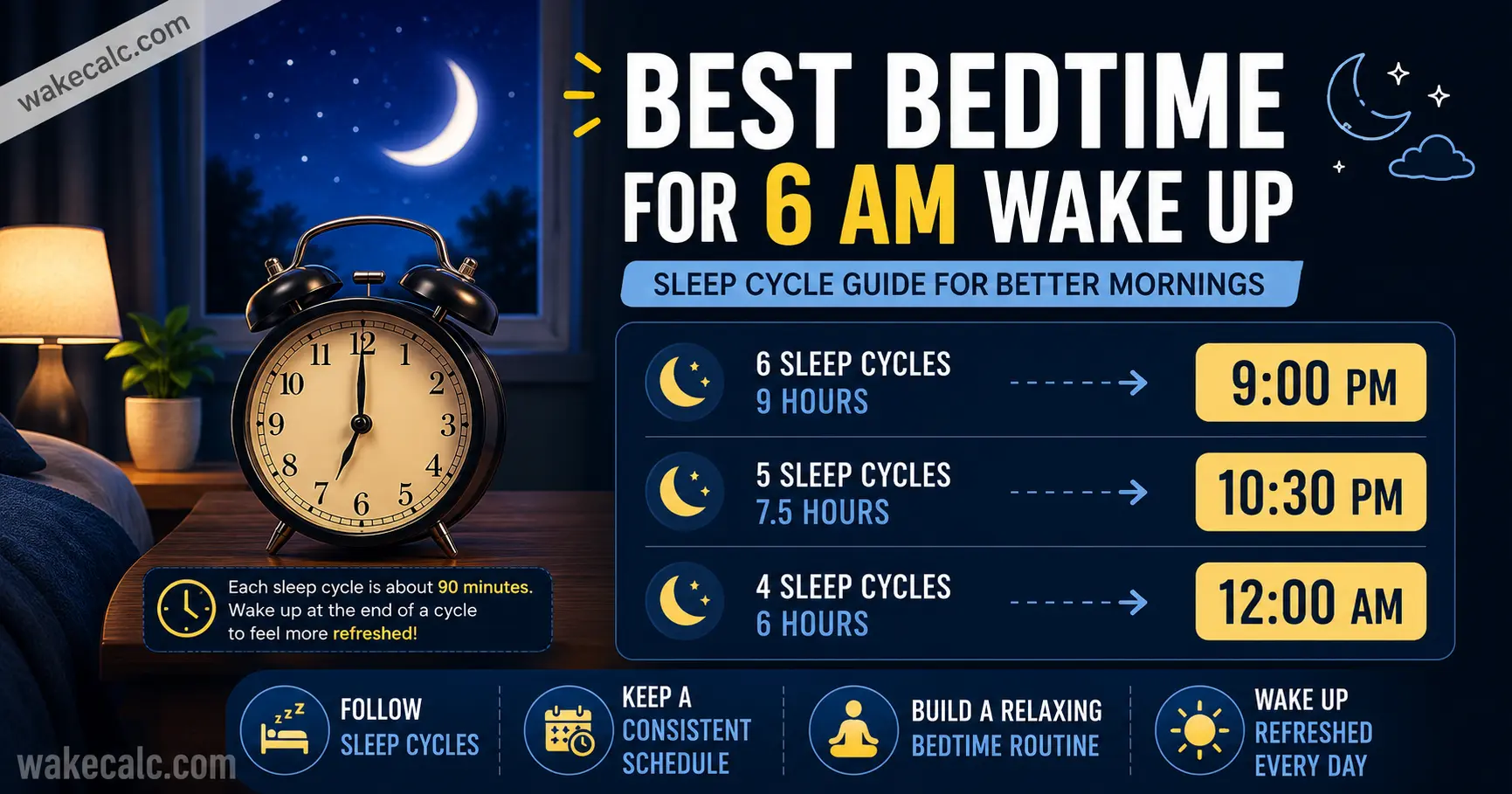
- Count back in 90-minute blocks: 5:45 → 4:15 → 2:45 → 1:15 → 11:45 PM → 10:15 PM
- Go to bed at 10:15 PM for 5 complete cycles (7.5 hours total)
Or skip the math entirely — use the WakeCalc Sleep Cycle Calculator to get your perfect bedtimes instantly. Enter your wake time and WakeCalc shows you exactly when to sleep for 4, 5, or 6 complete cycles.
Quick Tips to Reduce Morning Groggines
- 🌅 Get morning sunlight immediately — even 5 minutes of natural light resets your circadian rhythm and speeds up the transition from sleep to wakefulness faster than coffee
- 💧 Drink water before coffee — overnight dehydration significantly worsens brain fog and is one of the hidden reasons why do you wake up groggy
- 🚶 Move your body within 10 minutes — light movement accelerates the dissipation of sleep inertia faster than any supplement
- 📵 Never hit snooze — each snooze cycle makes grogginess measurably worse
- 🌡️ Keep your room at 65–68°F — cooler temperature improves deep sleep quality throughout the night
Frequently Asked Questions
Why do I wake up groggy even when I get enough sleep?
The most likely reason is that your alarm is waking you mid-cycle during deep sleep, causing severe sleep inertia. Even 8-9 hours of sleep will leave you groggy if you wake from the wrong stage. Use the WakeCalc calculator to align your alarm with the natural end of your sleep cycles.
How long does sleep inertia last?
Sleep inertia typically lasts 15–30 minutes for most people. If you wake from deep sleep or have chronic sleep deprivation, it can persist for up to 1–2 hours. Timing your wake-up to cycle endpoints significantly reduces its duration.
Why do I wake up groggy after a nap?
Nap grogginess happens when your nap lasts long enough to enter deep sleep — typically naps over 30 minutes. Keep naps to 20 minutes maximum to stay in light sleep and wake up refreshed instead of groggy.
Does the 90-minute sleep cycle work for everyone?
The 90-minute cycle is the scientifically established average for healthy adults. Individual cycles can range from 80–110 minutes based on age and health factors. WakeCalc uses 90 minutes as the baseline, which works effectively for the vast majority of adults.
The next time you ask yourself “why do I wake up groggy?” — remember that the answer is almost always about cycle timing, not total sleep duration. Fix the timing and the grogginess disappears. The WakeCalc Sleep Cycle Calculator makes this effortless — try it tonight and feel the difference tomorrow morning.
Stop Waking Up Groggy Starting Tonight
Use WakeCalc to calculate your perfect bedtime in seconds — free, science-based, no sign-up needed.
Calculate My Bedtime →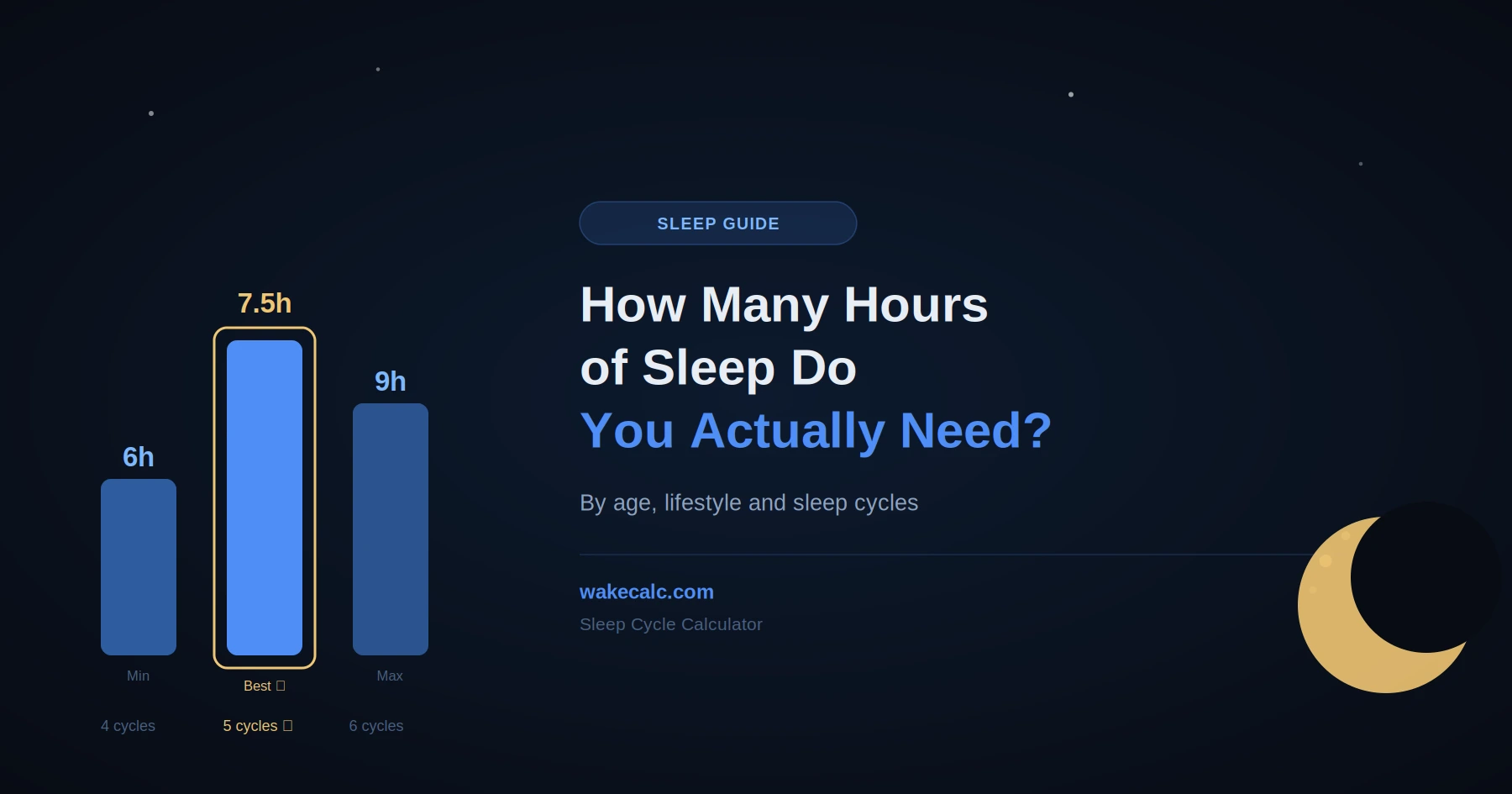

One Comment